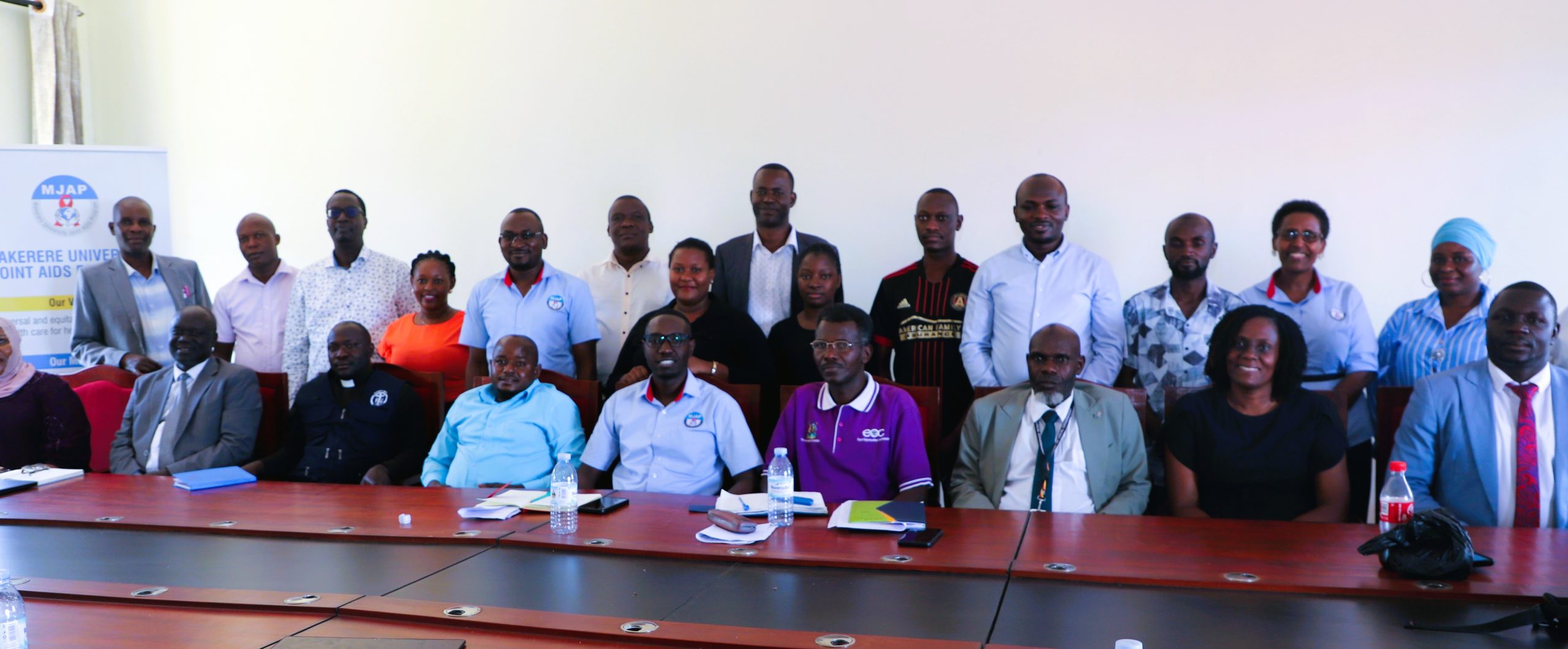
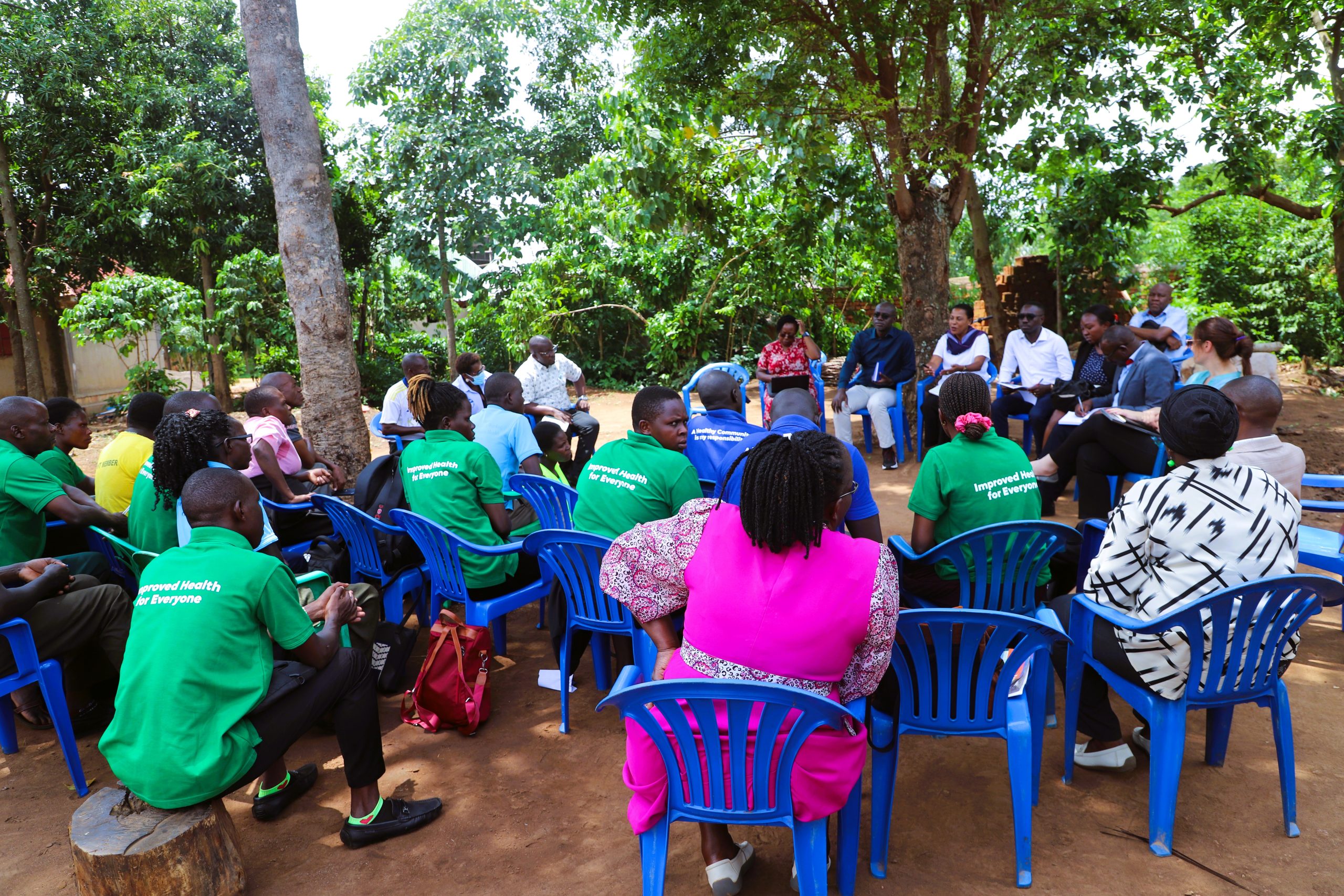
The Department of State Government Officer Representative (GOR) and the LEAP Global delegation team have visited Namayingo District to assess progress in implementing community-based programmes, understand what is working well, and explore opportunities to strengthen integrated service delivery at the grassroots.
The visit follows the signing of a Memorandum of Understanding (MoU) between the Government of Uganda and its partners last year. The delegation is engaging district leaders, health teams and community structures to gain a deeper understanding of programme implementation, achievements, challenges and lessons learned.
Namayingo CAO Highlights Progress in District-Led Programming
While welcoming the delegation, Mugoya Sonny Murembe, Chief Administrative Officer (CAO) of Namayingo District, highlighted the district’s progress in strengthening community structures, improving client follow-up and integrating services.
She noted that community teams are increasingly able to communicate with clients, follow up on those receiving services and support timely refills. She emphasized that the district’s performance reflects coordinated efforts taking place behind the scenes, including partner collaboration, community engagement and locally led programming.
The CAO further highlighted the strengthening of community structures, noting that the district has identified appropriate community actors to support service delivery and improve reporting.
On Community Health Extension Workers (CHEWs), she explained that the district has aligned Village Health Team personnel and CHEWs within parishes, enabling them to share villages and work together more effectively under an integrated approach.
The Acting District Health Officer- Mr. Mathias Mangeni also underscored Namayingo’s unique geographical and public health context, noting that the district has 27 habitable islands and relies heavily on boat transport to reach communities. With daily movement of traders across the ferry routes, the district remains highly vulnerable to public health risks and requires strengthened disease surveillance.
The Acting DHO also called for the establishment of port health services at the dock, proposing that the Permanent Secretary of the Ministry of Works and Transport formally allocate space and a building for a port health unit.
He emphasized the need to build on the progress already achieved and further strengthen integrated community programming.
District Leadership Appreciates Partners’ Support
Representing the district leadership, Nafula Cissy, Vice Chairperson of Namayingo District Local Government, commended the government, MJAP and other implementing partners for their contribution to improving services at the community level.
She observed that the impact of community-based interventions is increasingly visible, noting that community members now commonly refer to CHEWs as basawo (health workers), reflecting growing recognition of their role.
She expressed gratitude to the American people for their support and emphasized the importance of sustaining investments that directly benefit people at the grassroots.
The Vice Chairperson also highlighted challenges affecting the use of the district’s boat ambulance, particularly fuel constraints, which sometimes limit its operations.
She reaffirmed the district leadership’s commitment to working closely with partners and indicated that recommendations would be shared with members of the District Executive Committee (DEC). She stressed the importance of engaging with implementing teams and understanding their work on the ground to inform practical recommendations and decision-making.
Strengthening Community Health Systems
The visit provides an opportunity for the delegation to appreciate the progress made in district-led programming, examine how integrated interventions are implemented and identify practical solutions to persistent service delivery challenges.
For Namayingo, strengthening community structures, improving referral and follow-up systems, enhancing disease surveillance and addressing transport barriers remain critical to ensuring that essential services reach communities across the mainland and islands.
The engagement reaffirmed the importance of strong government leadership, effective partnerships, and community-driven approaches in delivering integrated health services.